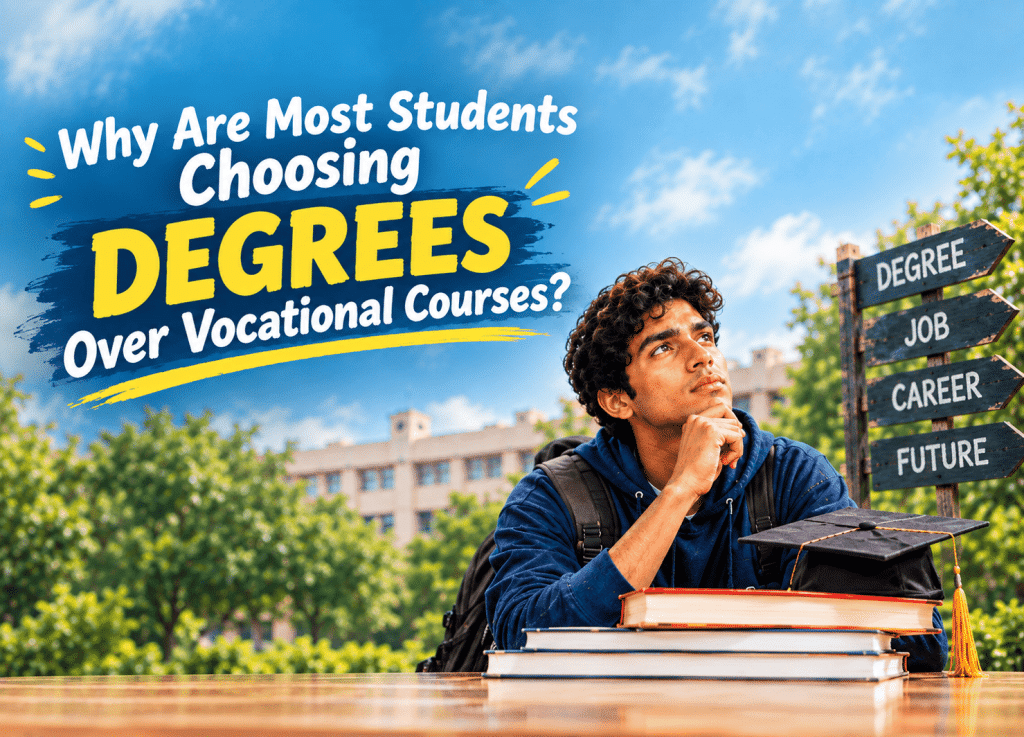
For many Indian students, completing Class 12 is followed by an almost automatic question: “Which degree should I choose?”
BA, B.Com, B.Sc., BCA, BBA and other traditional degree programs are often seen as the safest path toward a successful career. At the same time, vocational education, vocational courses after 12th in thane & Mumbai and skill-based courses in thane receive comparatively less attention, even though they can provide practical learning and career-oriented skills.
This raises an important question:
Why are so many students still choosing traditional degrees over vocational courses?
The answer is not simply that students do not value skills. The real reasons include social expectations, lack of awareness, concerns about career opportunities, parental influence, and the perception that a degree offers greater security.
But as the job market continues to change, students need to understand that education and employability are not always the same thing. A qualification can open a door, but practical skills can help a student perform once they enter that door.
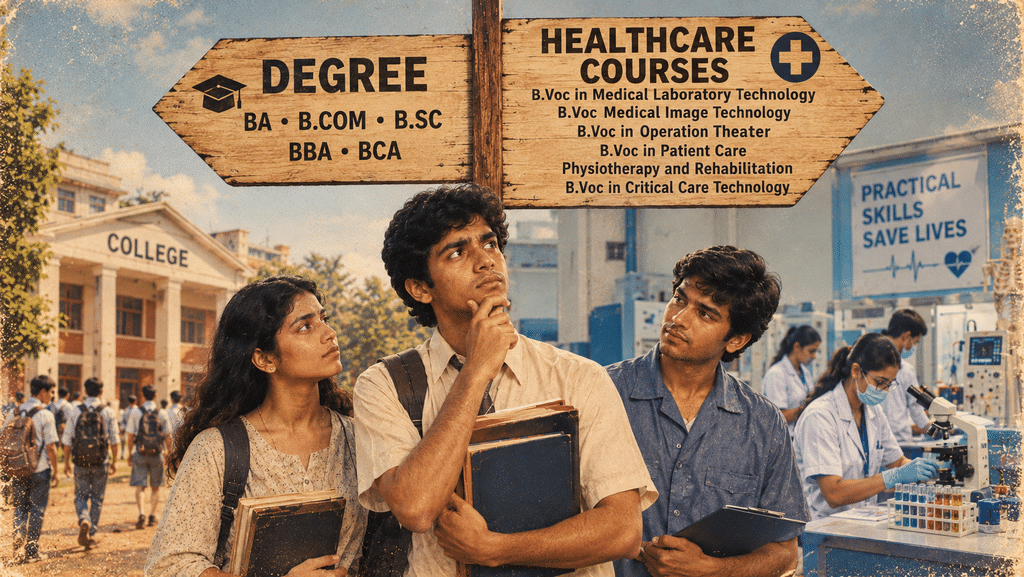
The Degree-First Mindset in India
In many Indian families, getting a degree is considered an important milestone.
A student completes Class 12, chooses a college, earns a degree and then starts looking for employment. This pathway has become so common that many students follow it without first asking:
“What skills will I actually need for the career I want?”
For example, imagine two students who have just completed Class 12.
One chooses a general degree because friends and relatives recommend it. The other chooses a career-oriented vocational course after 12th because they already know which field interests them.
Neither decision is automatically right or wrong.
The difference is that the second student is making a decision based more directly on career interest, practical skills and industry requirements.
This is why students need more awareness about the different forms of education available after school, including vocational education after 12th.
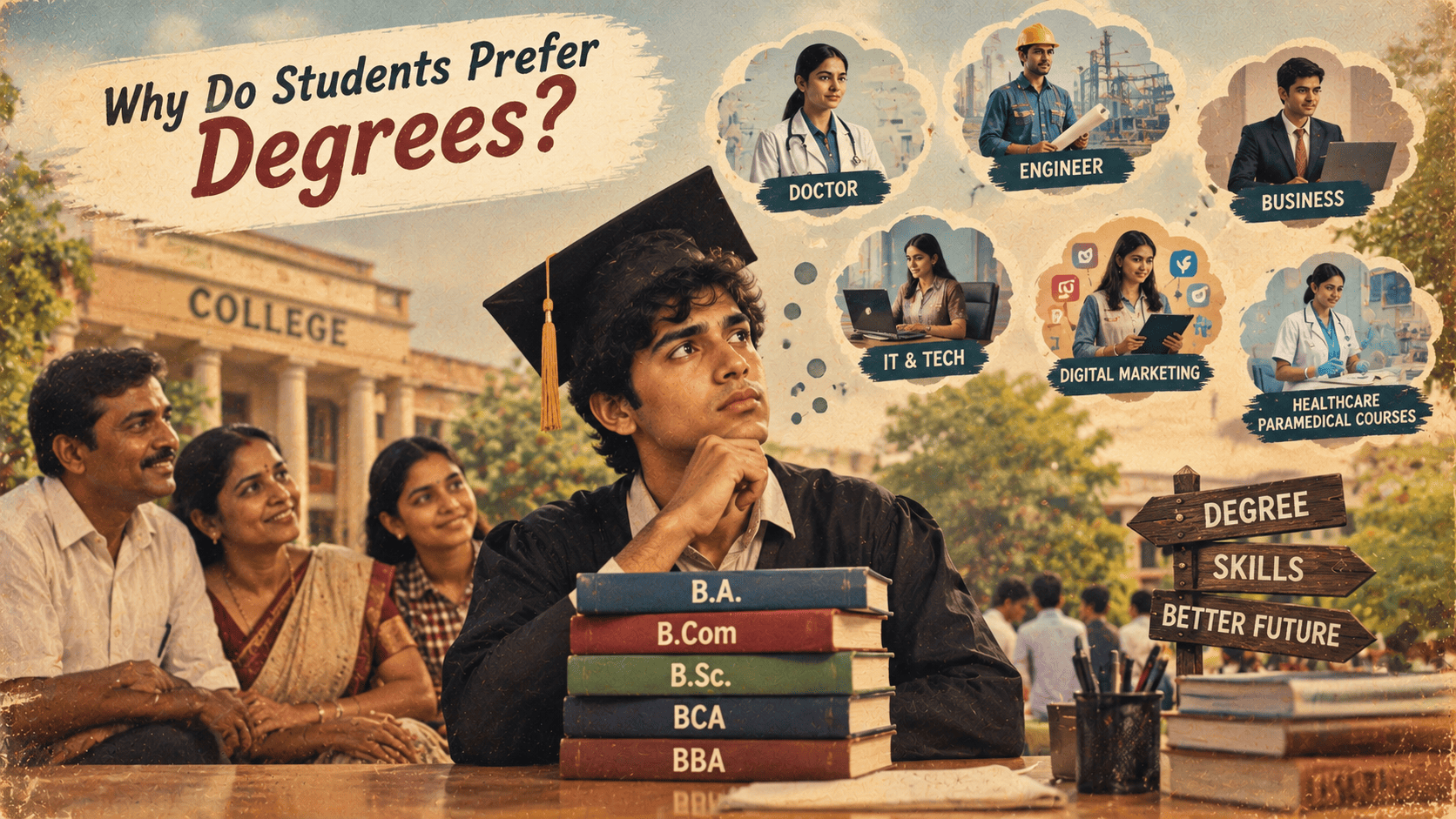
Why Do Students Prefer Degrees Over Vocational Courses?
1. Social Perception
One of the biggest reasons is the perception that a traditional degree is more prestigious.
Students often hear statements such as:
- “A degree is necessary for a good career.”
- “Everyone is doing graduation.”
- “Vocational courses are only for students who cannot get into degree colleges.”
These beliefs can influence career decisions even when they do not match the student’s actual interests.
Vocational education should not be viewed as a second-choice option. It can be an alternative pathway for students who prefer practical, skill-oriented and career-focused learning.
2. Lack of Awareness
Many students know the names of traditional degree programs but are less familiar with vocational courses and skill-based education.
They may not know:
- What vocational education actually means
- Which vocational courses are available after Class 12
- What skills students develop
- What career pathways can follow
- How vocational education connects classroom learning with practical skills
When students do not have enough information, they naturally choose the option they already understand.
3. Parental Expectations
Parents play an important role in career decisions.
Many parents want their children to pursue a conventional degree because they believe it provides a safer and more established career path.
This usually comes from a good intention: parents want stability for their children.
However, today’s employment landscape is changing. Employers increasingly look for a combination of educational qualifications, practical knowledge, communication abilities, technical skills and problem-solving capabilities.
Therefore, families need to look beyond the question:
“Which degree will you get?”
and also ask:
“What skills will you develop during your education?”
4. Fear About Career Opportunities
Another major concern is:
“Will a vocational course give me a good career?”
This uncertainty can push students toward traditional degrees.
However, career opportunities depend on several factors, including the course, institution, skills developed, practical exposure, further education and industry demand.
Therefore, students should evaluate a course based on its career relevance and learning outcomes, rather than judging it only by whether it is called a degree or vocational program.
5. The Degree Is Sometimes Seen as the Final Goal
A common problem is that students sometimes focus on obtaining the qualification rather than developing the skills behind it.
For example:
Degree → Graduation completed → Job search
But a stronger approach can be:
Education → Skills → Practical Exposure → Experience → Career
The qualification still matters, but it becomes part of a larger career-development process.
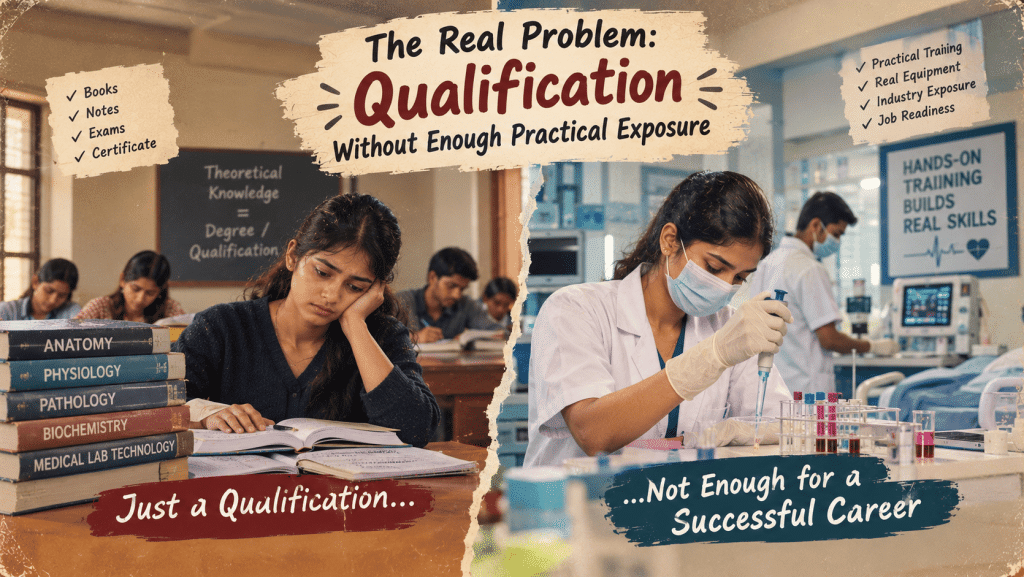
The Real Problem: Qualification Without Enough Practical Exposure
One of the biggest challenges students can face is the gap between what they learn and what they are expected to do in the workplace.
A student may understand concepts from textbooks but still need practical exposure to apply those concepts confidently.
This is particularly important in fields where hands-on knowledge matters.
For example, healthcare-related careers require students to understand concepts while also developing practical knowledge, professional behaviour and familiarity with real-world working environments.
This is where vocational and skill-oriented education can play an important role.
Why Vocational Education Matters
Vocational education focuses strongly on developing job-relevant knowledge and practical skills.
Instead of asking students to learn only for examinations, career-oriented education can connect learning with real-world applications.
Depending on the course, students may get opportunities to develop:
- Practical skills
- Technical knowledge
- Industry-oriented abilities
- Problem-solving skills
- Communication skills
- Professional discipline
- Hands-on experience
This does not mean that vocational education is automatically better than every degree program.
Instead, it means that students should have more than one pathway to build their careers.
For students interested in healthcare and allied fields, choosing the right paramedical or vocational course after 12th can be one way to develop field-specific knowledge and practical skills.
What Do the Facts Tell Us?
India’s education and employment landscape has increasingly emphasized the importance of skill development, employability and vocational education.
The National Education Policy (NEP) 2020 places significant emphasis on vocational education, skill development and integrating vocational education into mainstream education.
One of its important goals is to reduce the separation between academic and vocational learning and give students greater exposure to practical skills.
This is important because the future of work is changing rapidly.
Technology, automation, artificial intelligence and changing industry requirements mean that students need to continuously develop relevant skills.
A qualification alone may not be enough.
The Bigger Lesson
The important question is no longer simply:
“Degree or vocational course?”
Instead, students should ask:
“Which education pathway will help me develop the knowledge and skills required for my career?”
For students exploring vocational education after 12th, this question can help them compare courses based on their interests, skills and future career goals.
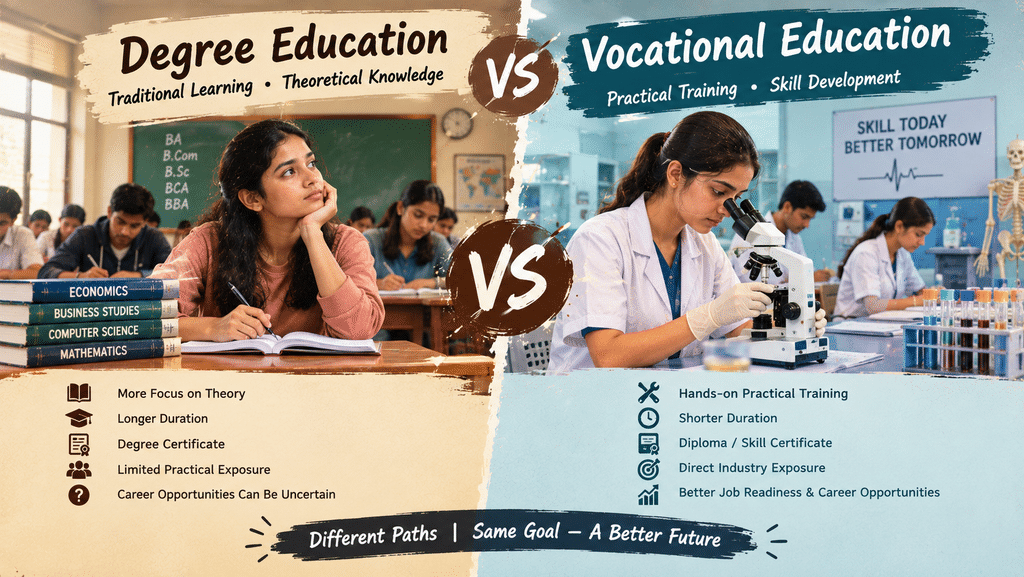
Degree vs Vocational Education: Understanding the Difference
| Traditional Degree Education | Vocational Education |
|---|---|
| Often broader academic focus | Often focused on specific skills |
| Strong emphasis on theoretical knowledge | Strong emphasis on practical learning |
| Can provide a foundation for higher education | Can provide career-oriented skills |
| Suitable for many academic and professional pathways | Suitable for students seeking skill-focused pathways |
| May be combined with internships and practical learning | Practical exposure is often an important component |
The two pathways should not necessarily be treated as competitors.
In many cases, academic knowledge and vocational skills can complement each other.
A Better Solution: Create Awareness
The solution is not to tell every student to stop pursuing degrees.
The solution is to help students make informed career decisions.
Schools, colleges, parents and educators can contribute by introducing students to different career pathways before they make their final decision.
Students should be encouraged to ask:
1. What are my interests?
A student should understand what type of work they enjoy and what subjects or fields interest them.
2. What skills does my target career require?
Students should research the actual skills required in their desired profession.
3. Does the course provide practical exposure?
A course should be evaluated not only by its name but also by its curriculum, practical training and learning opportunities.
4. What are the future pathways?
Students should understand whether the course can lead to employment, further education, certifications or specialization.
5. What does the institution provide?
Before joining any course, students should research the institution, curriculum, faculty, facilities, practical training, industry exposure and student support.
Students looking for vocational courses in Thane should similarly compare institutions carefully and understand what each course offers before making a decision.
Vocational Education Should Be a Choice, Not a Backup Plan
One of the biggest changes needed is in the way society talks about vocational education.
Vocational courses should not be presented as something students choose only when they cannot pursue a traditional degree.
Instead, they should be presented as one of several legitimate pathways to build a career.
A student who prefers practical learning should have the freedom to choose a skill-oriented pathway.
A student who wants an academic career may choose a traditional degree.
Another student may combine academic education with professional certifications, internships and practical training.
The right choice depends on the student’s career goals.
This is why awareness about vocational education courses after 12th is important for students and parents.
The Role of Colleges in Changing Student Mindsets
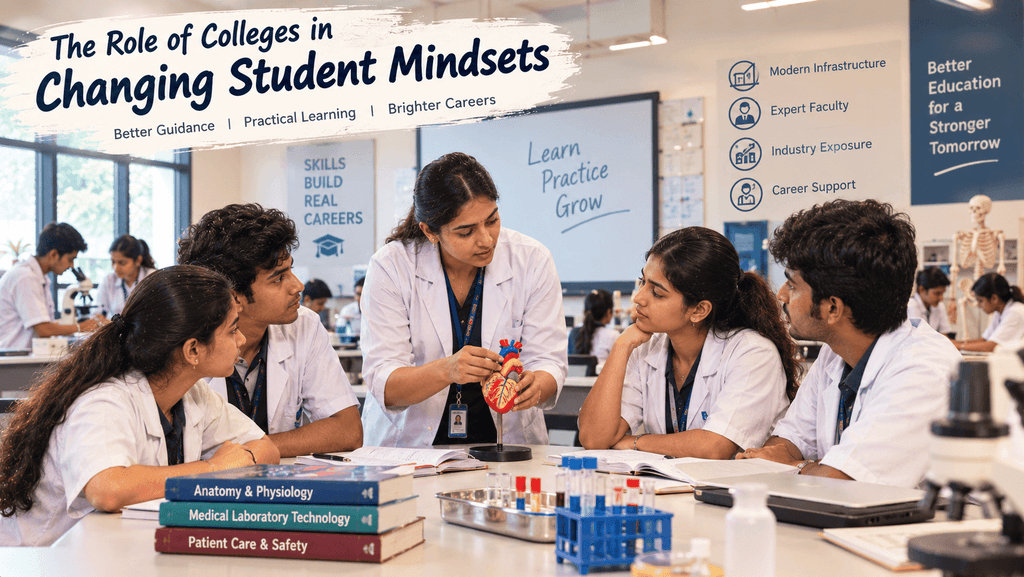
Educational institutions also have an important role to play.
Colleges can help students understand the connection between education and employment by providing:
- Practical learning
- Skill development
- Career guidance
- Industry-oriented curriculum
- Workshops
- Internship opportunities
- Professional communication training
- Awareness about emerging careers
The objective should be to help students become more confident about applying what they learn.
Institutions offering vocational courses after 12th can also help students understand how practical education can connect with their chosen career pathway.
A Student’s Career Should Be More Than a Certificate
Imagine a student holding a certificate but asking:
“What can I actually do with what I studied?”
Now imagine another student who can confidently say:
“I understand my field, I have developed practical skills, and I know how those skills can be used in a professional environment.”
The difference is not necessarily the certificate.
The difference can be how the education prepared the student for the next step.
This is why career-oriented education deserves greater attention.
For students interested in healthcare, paramedical vocational courses in thane can provide a focused pathway to learn about a specific field while developing relevant knowledge and practical skills.
What Should Students Do After Class 12?
Students should not choose a course simply because:
- Their friends selected it
- Their relatives recommended it
- Everyone else is doing it
- It sounds prestigious
- It is considered the “safe” option
Instead, students should compare different pathways.
Research the course.
Understand the curriculum.
Look at practical exposure.
Understand the career possibilities.
Talk to educators and professionals.
Then make a decision based on interest + skills + career goals + opportunities.
Students searching for best vocational courses after 12th in thane should focus on finding a course that matches their interests and career plans rather than simply choosing the most popular option.
Conclusion: The Future Needs Both Knowledge and Skills
Traditional degrees will continue to play an important role in education. They can provide valuable academic foundations and open pathways to higher education and professional careers.
At the same time, vocational education can provide students with another important pathway—one that emphasizes practical knowledge, skills and career-oriented learning.
The real problem is not that students are choosing degrees.
The problem is when students choose a course without understanding why they are choosing it.
India needs an education system where students know that they have multiple pathways to build successful careers.
A degree can be valuable. A vocational qualification can be valuable. Practical skills are valuable too.
The best educational choice is the one that helps a student develop the knowledge, skills, confidence and practical understanding needed for their chosen career.
Choose Education With a Purpose
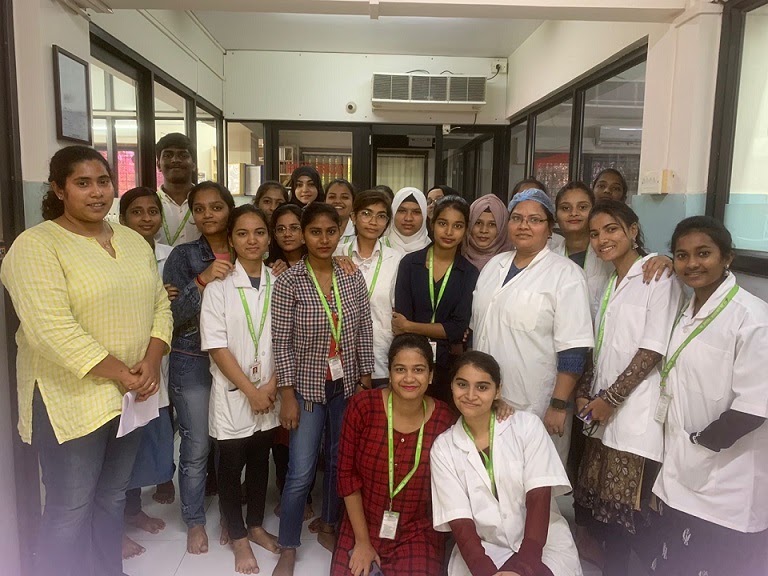
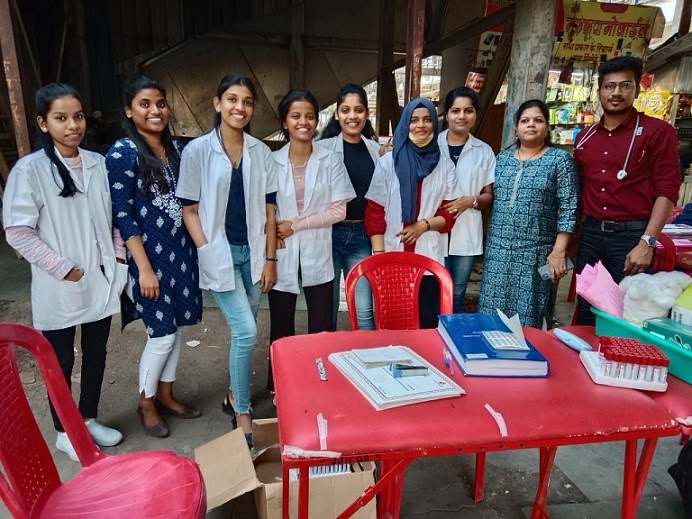
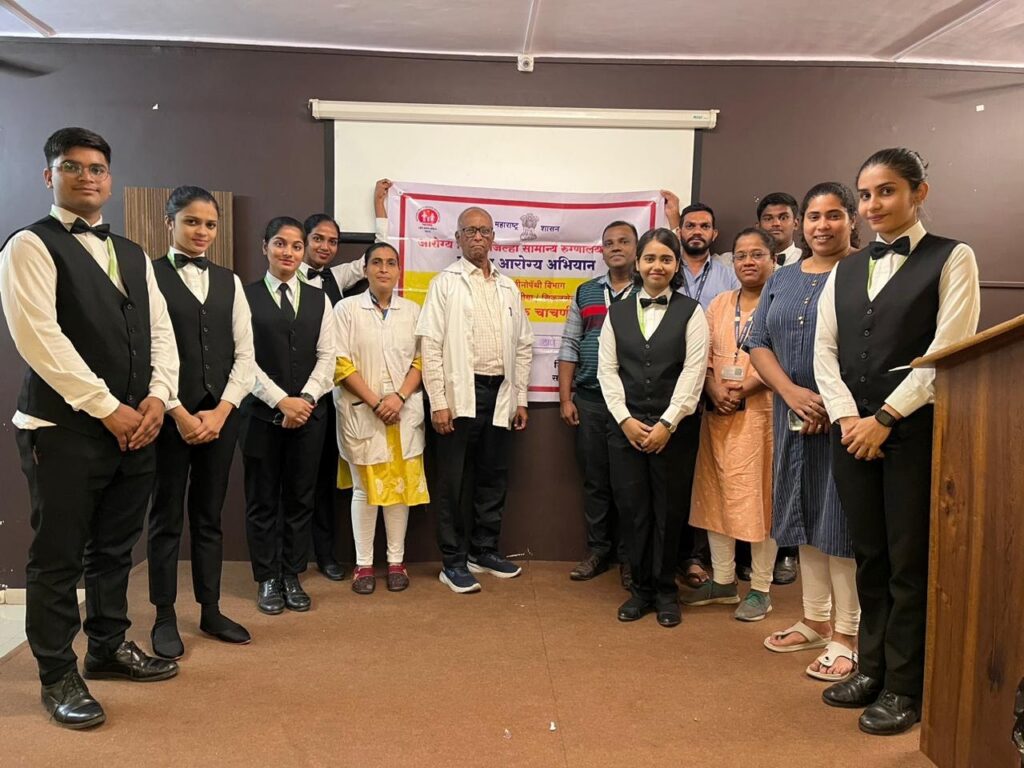
For students looking for vocational courses after 12th in Thane, Sahyog College of Paramedical Sciences provides an opportunity to explore career-oriented paramedical and vocational education.
Sahyog College focuses on helping students explore skill-based and career-oriented courses that connect education with practical learning.
Students interested in healthcare and paramedical education can explore suitable programs and understand the course structure, eligibility and career pathway before making their decision.
Instead of choosing a course simply because everyone else is choosing it, students should take time to understand their own interests and career goals.
If you are a Class 12 student exploring your options, don’t simply ask:
“Which course is everyone choosing?”
“Which course is right for my career?”
Explore Vocational Education at Sahyog College
If you are searching for vocational courses in Thane, vocational courses after 12th, paramedical courses after 12th, skill-based courses after 12th, or career-oriented courses in Thane, explore the programs available at Sahyog College of Paramedical Sciences and make an informed decision about your future.
Explore the available courses, understand the career pathway, and make an informed decision about your future.
Your career deserves a choice based on awareness—not pressure.